



The Golden Spoon: Why Wooden and Ceramic Utensils Preserve Active Honey Enzymes
02 October 2024 • By Zeeshan Haider (Master Apiarist)

What makes single-origin Pakistani harvests extraordinary?
Exploring the ancient wisdom behind honey dippers and why metal contact can interact with the natural organic acids in unpasteurized raw honey.
Observing a wooden honey dipper is often dismissed as pure aesthetic nostalgia. However, traditional apiculture holds sound biochemistry behind the practice.
Raw unpasteurized honey has a naturally low pH between 3.4 and 6.1 — distinctly acidic. When exposed to reactive base metals (such as standard low-grade cutlery), prolonged oxidation can subtly alter the delicate live diastase and invertase enzyme structures.
Carved olive wood and natural beechwood dippers are completely non-reactive, food-safe, and designed with concentric horizontal grooves that hold honey through surface tension until gently rotated.
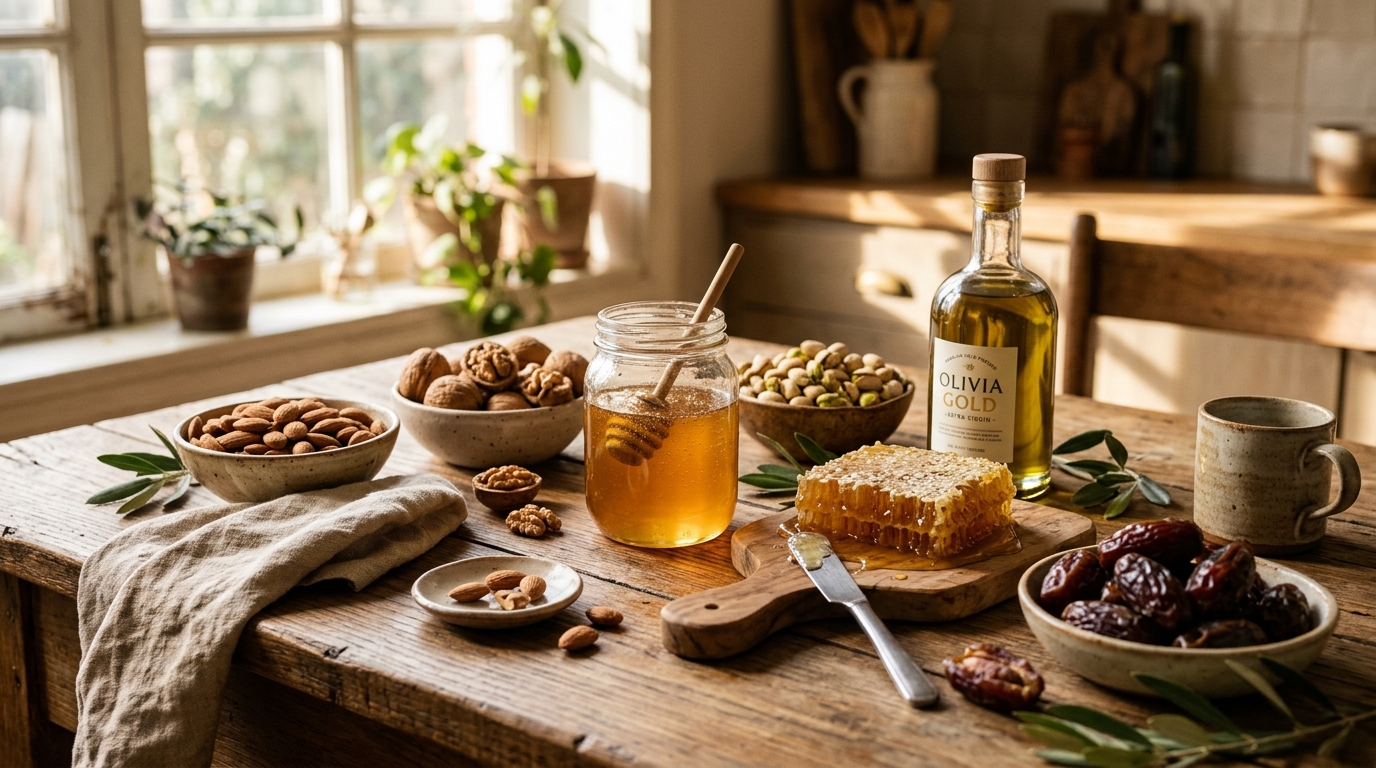
How Easy Foods preserves 100% natural bio-active nutrients
At Easy Foods, every harvest undergoes independent laboratory verification for moisture, sucrose, and enzymatic activity. Pair our wild Karak Sidr honey or cold-pressed Chakwal olive oil with warm artisan breads, roasted Hunza almonds, and herbal infusions for an unforgettable healthy daily ritual.
Read More Articles
Discover more insights on raw honey, cold-pressed oils, and mountain dry fruits from Easy Foods.
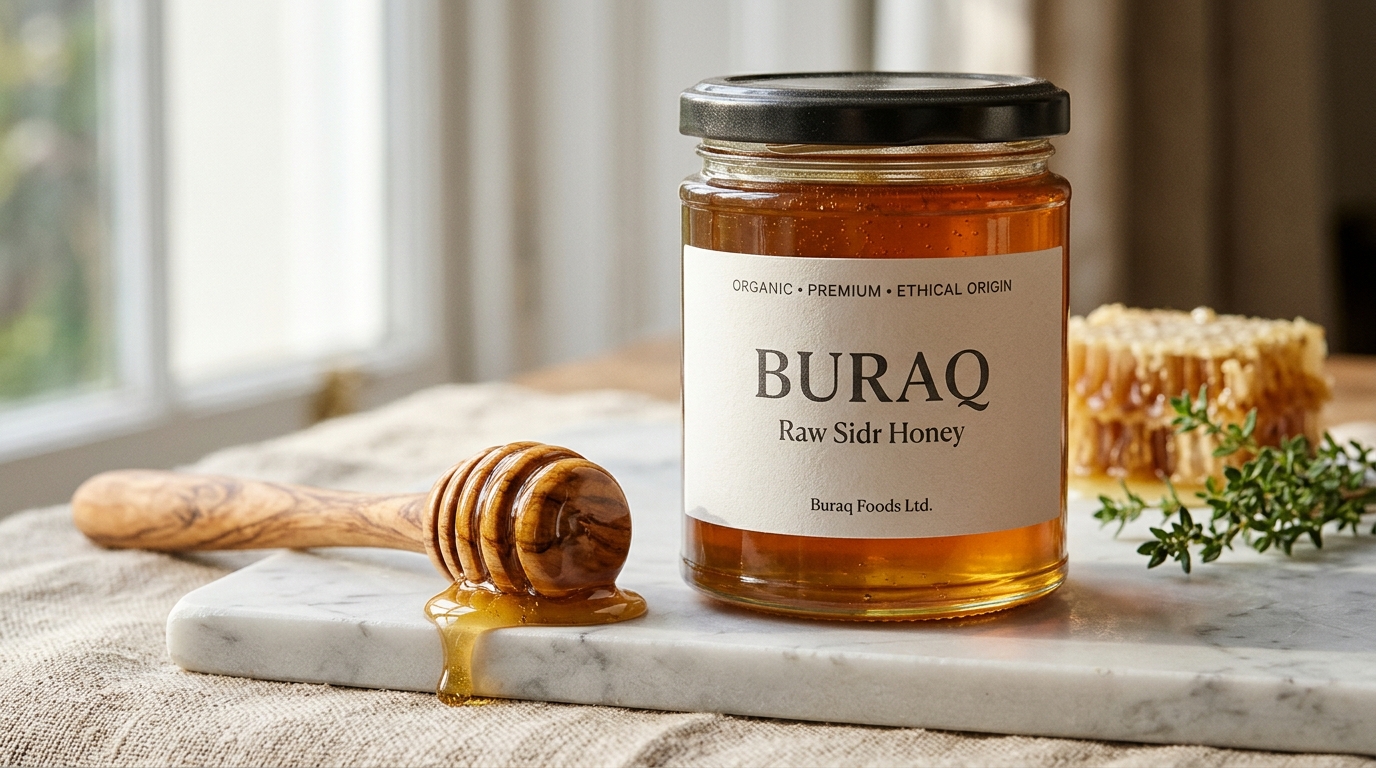
Why Pakistan's Karak Valley produces world-class wild Sidr honey
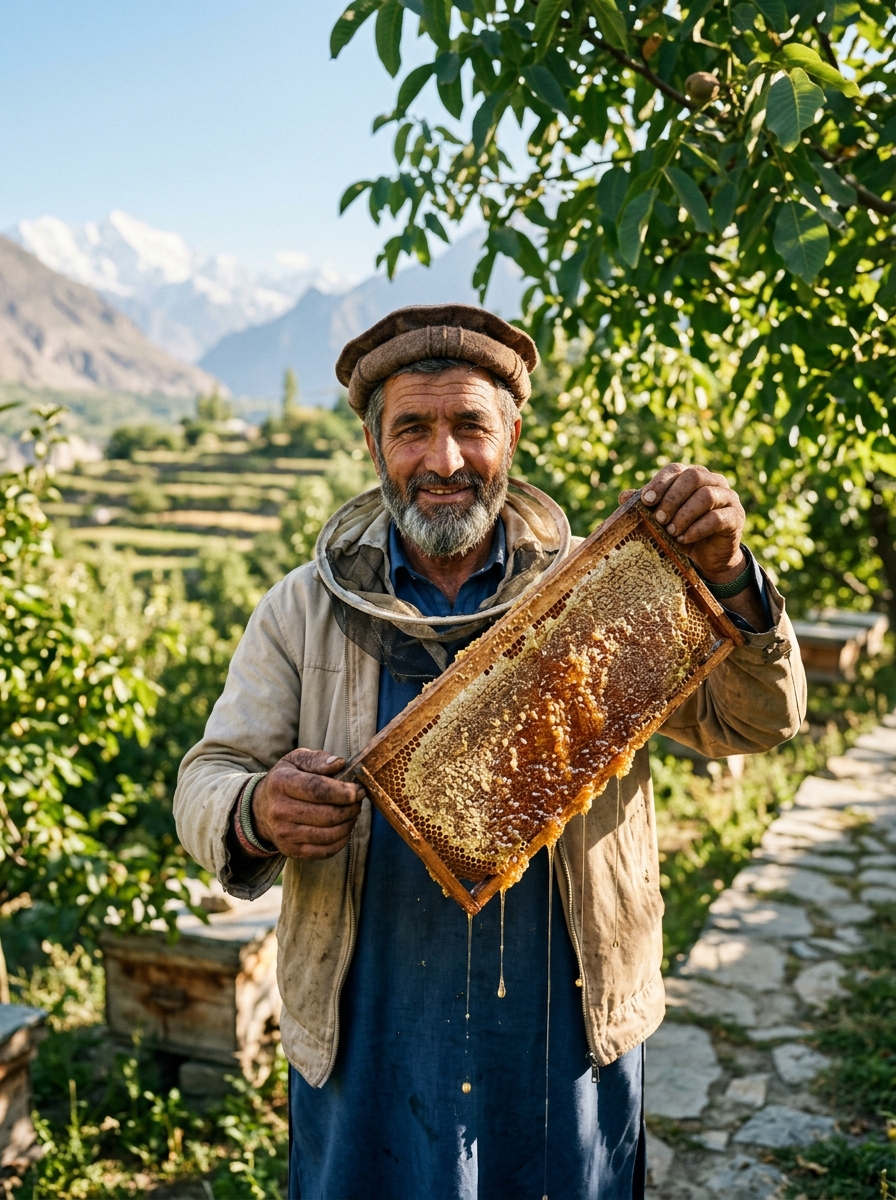
Inside the autumn mountain harvest with Easy Foods apiarists
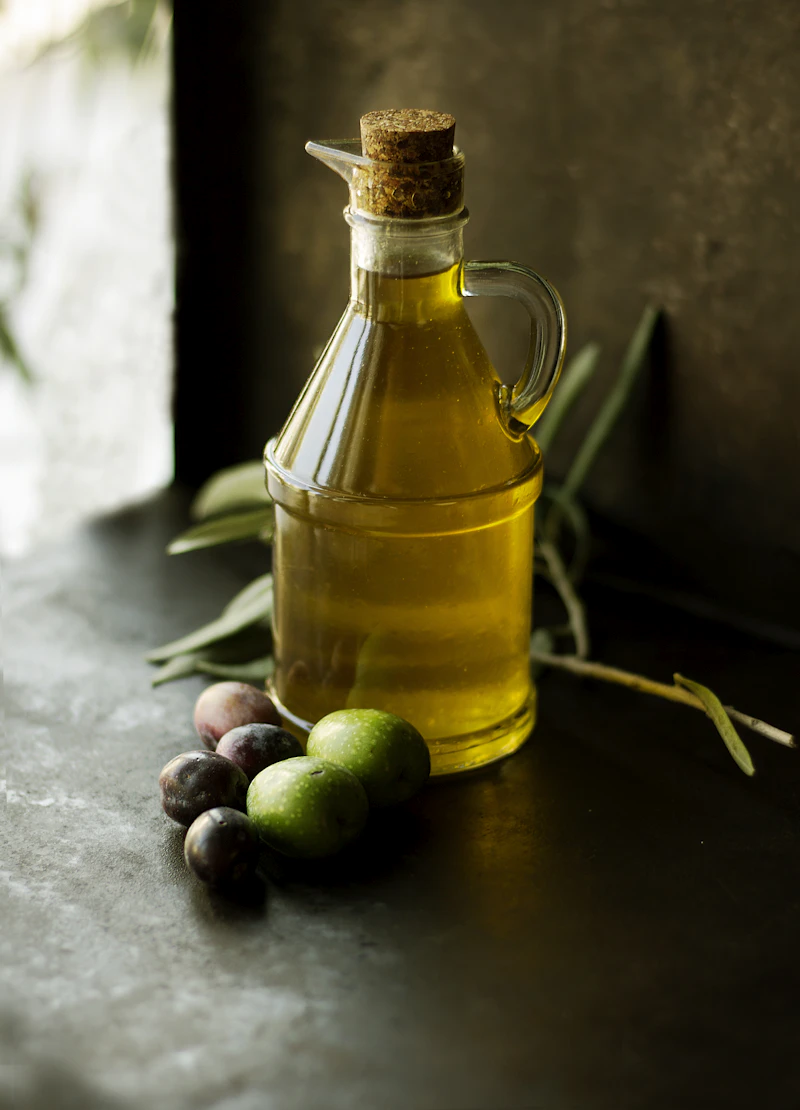
7 daily wellness rituals with cold-pressed extra virgin olive oil
