



The Royal Sidr: Why Pakistan's Karak Valley Produces World-Class Nectar
24 October 2024 • By Zeeshan Haider (Master Apiarist & Quality Lead)

What makes single-origin Pakistani harvests extraordinary?
From the ancient Ziziphus spina-christi trees of the Potohar and Karak hills to global wellness tables: understanding the science, folklore, and rare harvest of wild Sidr honey.
For centuries across the Arabian peninsula and South Asia, Sidr honey has held an almost sacred status among natural remedies. Unlike commercial honeys collected from cultivated crop fields, genuine Sidr honey is gathered exclusively from wild beri (Jujube) trees growing in arid, rocky soils.
The Karak and Kohat valleys of Khyber Pakhtunkhwa feature some of the dense wild Sidr groves on earth. When the beri trees flower for a fleeting 4 to 6 weeks every October, wild giant bees (Apis Dorsata) construct pristine hives high on cliff faces and mature branches.
Laboratory assays reveal exceptional levels of antioxidants, ascorbic acid, and high diastase activity — the natural enzyme marker that diminishes immediately when commercial honey is artificially heated or micro-filtered to stay liquid.
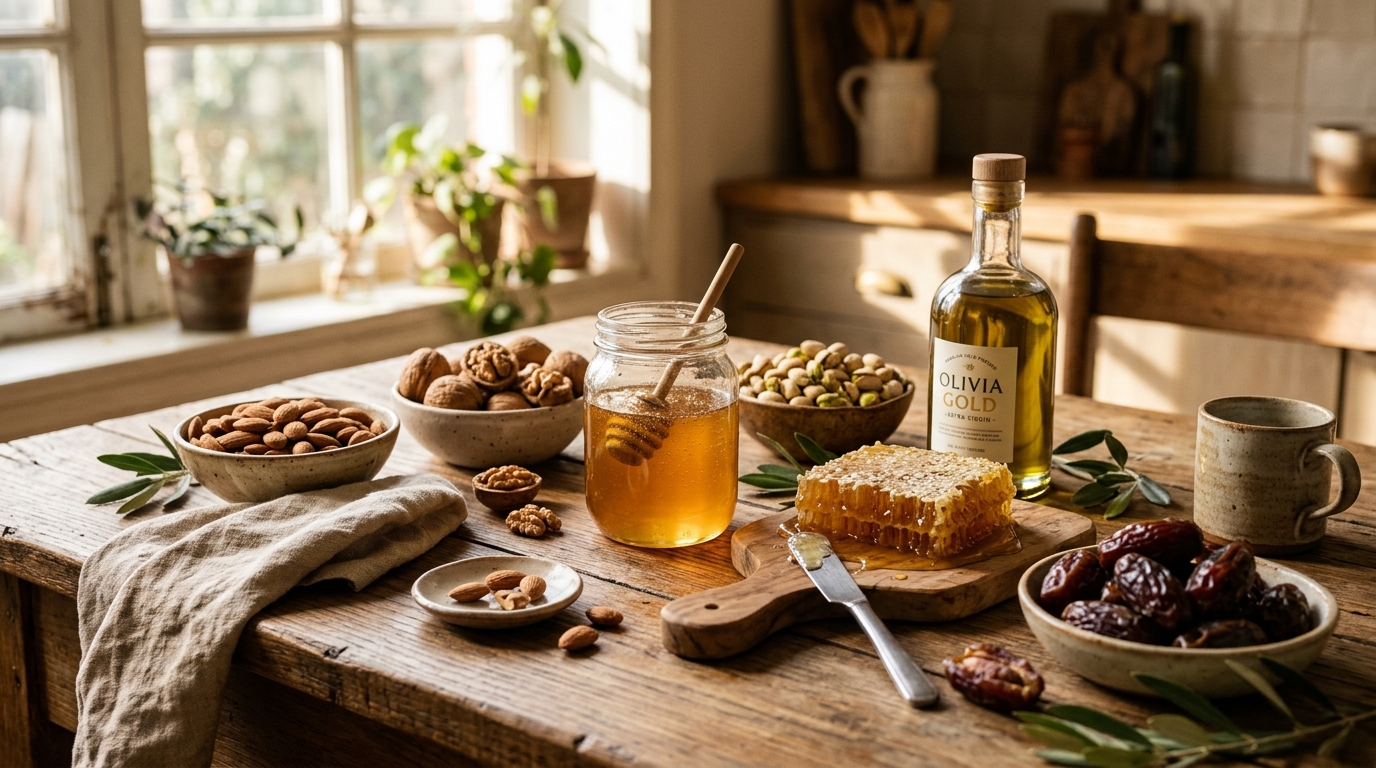
How Easy Foods preserves 100% natural bio-active nutrients
At Easy Foods, every harvest undergoes independent laboratory verification for moisture, sucrose, and enzymatic activity. Pair our wild Karak Sidr honey or cold-pressed Chakwal olive oil with warm artisan breads, roasted Hunza almonds, and herbal infusions for an unforgettable healthy daily ritual.
Read More Articles
Discover more insights on raw honey, cold-pressed oils, and mountain dry fruits from Easy Foods.
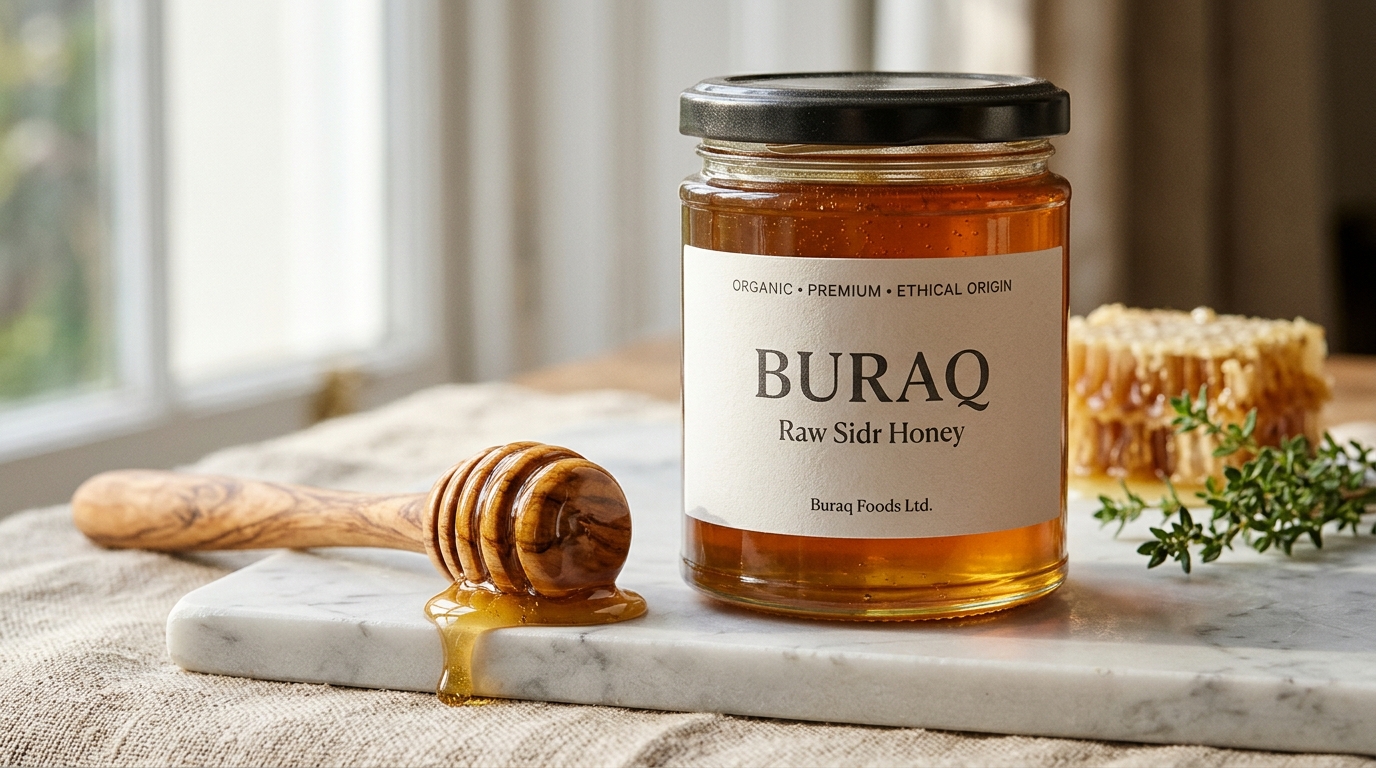
Why Pakistan's Karak Valley produces world-class wild Sidr honey
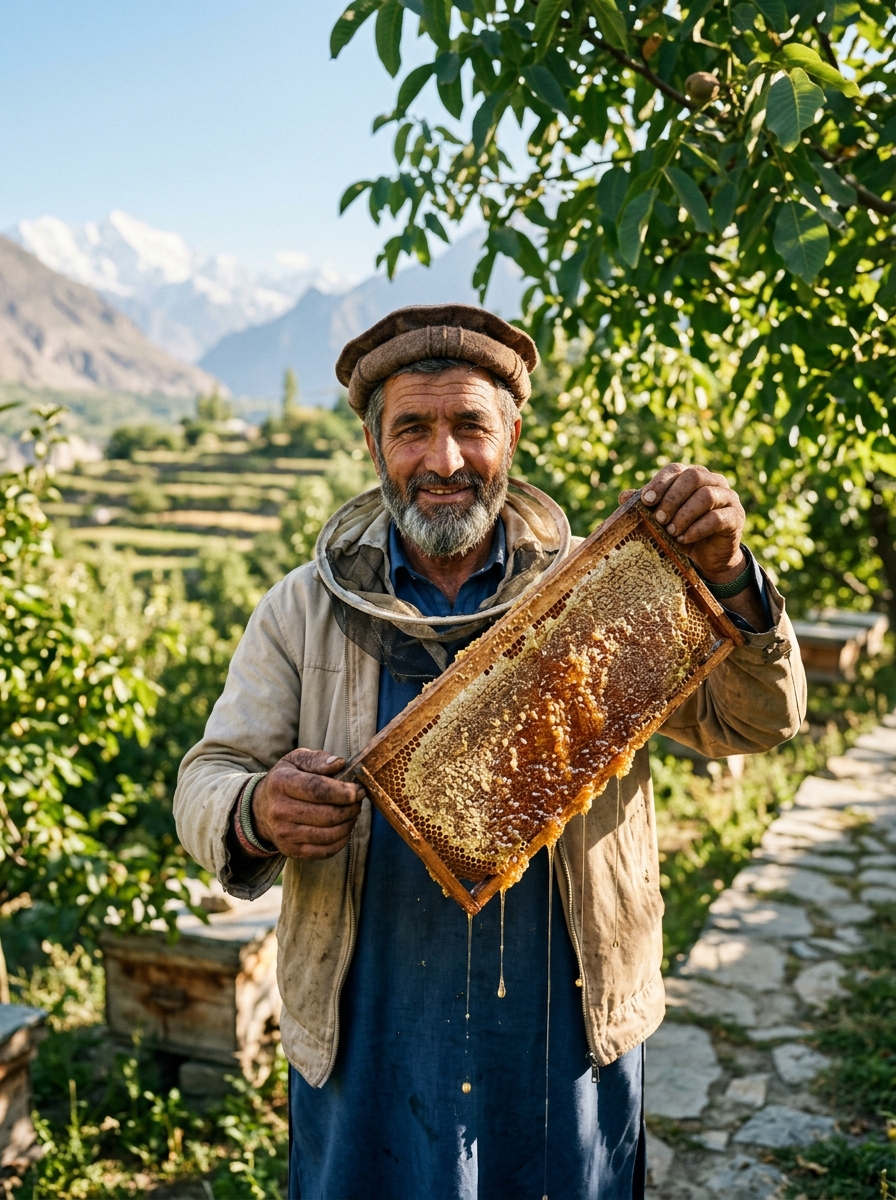
Inside the autumn mountain harvest with Easy Foods apiarists
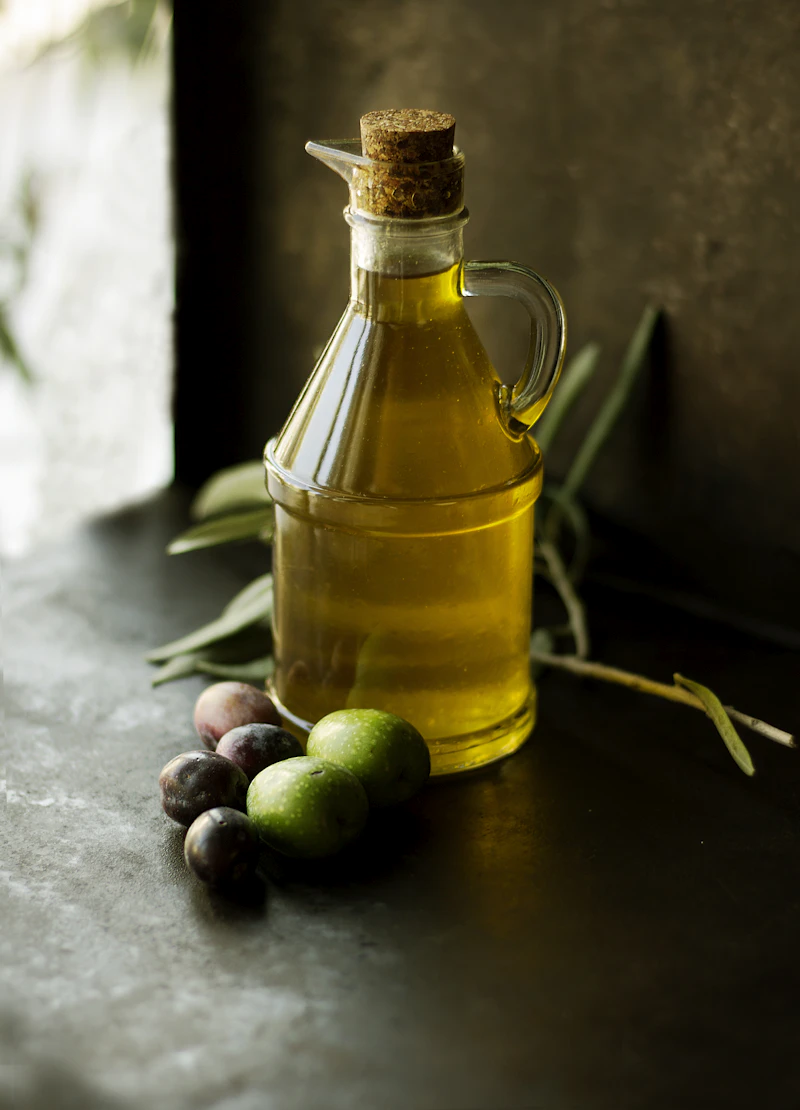
7 daily wellness rituals with cold-pressed extra virgin olive oil
